Border Cyborg
travellers notes into liminal space of law and technology in full moon transit

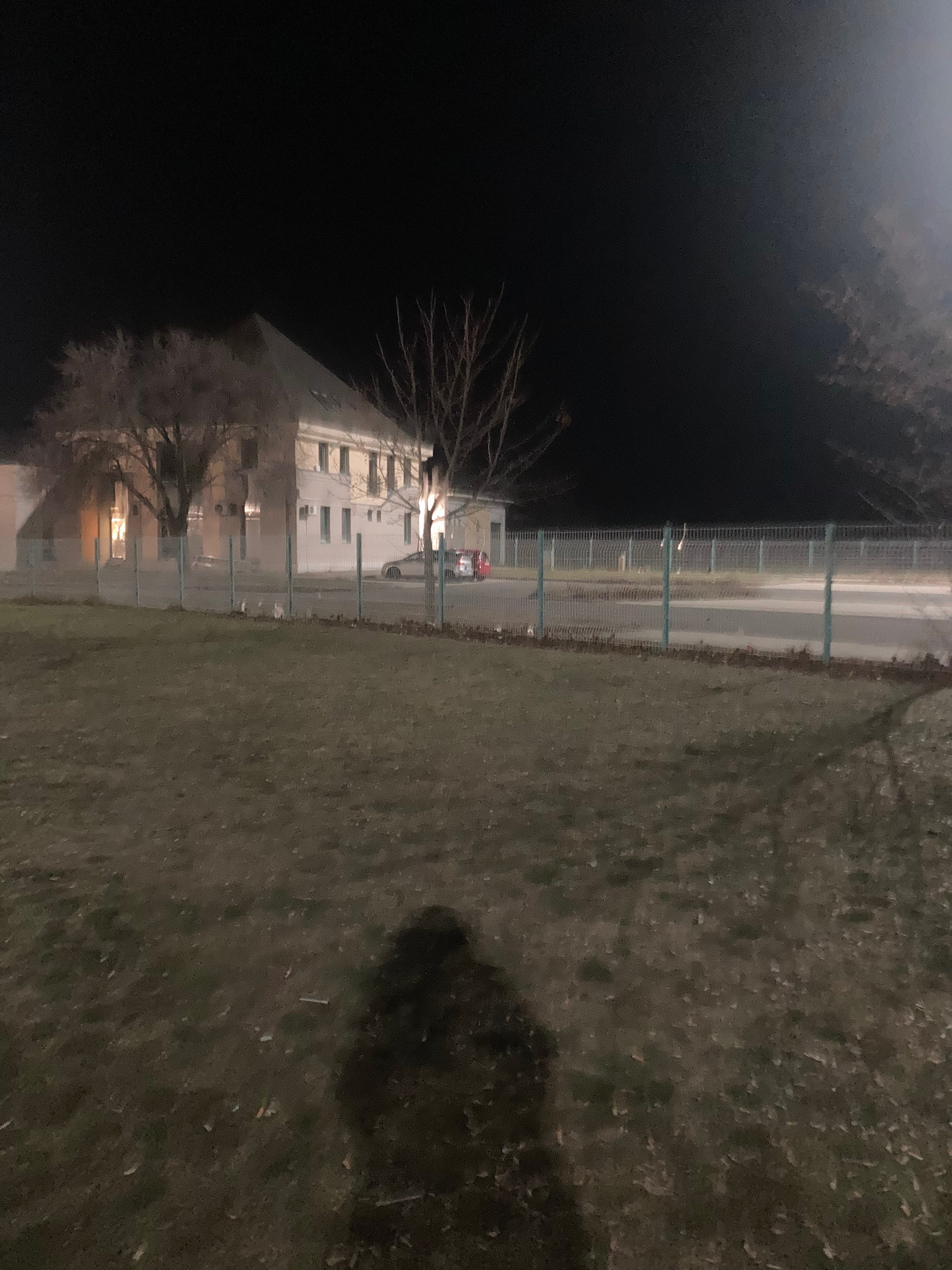
Horgos/Roszke 01:01AM 03/03/2026
Full moon shines across the flatland, the bus driver flashes the lights over sleepy passengers’ faces, and speaks: “Ajmo, granica!”
‘Ajmo’ means ‘let’s go, let’s get out of the bus’. Experienced travellers who fall within the NON-EU thresholds already have their passports and visas in hand, while others still rub their eyes in confusion.
Soon they also understand that ‘granica’ means ‘border’. There is a usual protocol for the border check process. All passengers leave the bus and enter a one-floor building whose interior is even more liminal than its exterior, composed only of yellow walls, PVC windows, and bathroom tiles on the floor. Sort themselves into some kind of queue, and one by one meet the eyes of the border policeman, surrender their passport to the Cerberus the gatekeeper of a better world, lord of time and overstay.
Every liminal space is a threshold for creatures to emerge, but this one was not expected.
*
This time it was different, at the very entrance into this non-place, there was a cyborg.
To understand what this cyborg does, we need to be informed about the bespoke, new border registration system:
**
The European Union intends to introduce a new, more effective border control procedure for those third-country nationals wishing to enter the Schengen area.
The Entry/Exit System (EES) is a unified EU IT system designed and capable of recording and storing the biometric and travel-related data of third-country nationals entitled to short-term stays that cross the external borders of the countries operating the EES.
The new system is scheduled to be operational in all European countries applying the EES Regulation, including Hungary, by November 2024 to enhance the protection of external borders and prevent and manage illegal immigration. The EES will also facilitate the identification of persons who do not respect the rules of residence and will contribute to the prevention, detection and investigation of terrorist offences and other serious crimes.
Who is affected by the EES Regulation?
Third-country nationals who are entitled to enter Hungary for a short stay and who arrive at our country’s external borders. According to the EES Regulation, the police will create an individual file on them.
It is estimated that this will affect more than ten million travellers per year, for whom the time to cross the border is expected to increase initially due to the more time-consuming process of creating the individual file when individuals first entry.
What data does the EES system store?
data listed in the travel document;
date and place of the border crossing;
traveller’s facial image and fingerprints;
place of refusal of entry.
How long does the EES system store personal data?
Generally, the EES system stores the place and time of border crossing or the refusal of entry for three years.
What national developments and investments have taken place?
In Hungary, preparations for the entry into operation of the system are proceeding according to plans. To minimise the disruption caused by the introduction of the EES at our borders, the Hungarian Police – with the support of EU funds – has started in due time the development of the Hungarian National Border Control and Registration System, as well as the procurement of technical equipment required for its operation.
Further information: https://travel-europe.europa.eu/ees_en
EES
Last edited: 2026.03.03. 15:30
-
Source: https://oif.gov.hu/factsheets/preparing-for-the-new-border-registration-system
**
Now we understand that this new, more effective border control procedure for those third-country nationals wishing to enter the Schengen area is an orange-vested cyborg.
A border cyborg policeman, specially marked with that neon orange vest, waving with some kind of a camera, a bulky biometric device, or what is it?
This policeman is a camera operator, human prosthesis for the glorified biometric border[line] automation!
He also speaks:
“EU? NON-EU? VISA?”,
He repeatedly asks people crammed at the doors of a border crossing booth.
“NO VISA? NO-EU?”
Paparazzi snapshot straight into sleepy faces.
Your geopolitical social status would determine whether you’ll get your tired face snapped on some bulky camera. Visa, go on the right. Others do what’s left.
The orange vested police officer at the entrance was still learning how to become a cyborg. Unsure of his role, he controls crowds based on mere improvisation, provisional chasing of identifying legality of a citizen in this liminal sphere under a full moon.
It is again the spoken word and social negotiation that determines cyborgian decision of biometric intervention.
Eventually, we all end up waiting at the same counter, border policemen in its traditional setting: a booth, a stamp in one hand, a glass window with NO CORRUPTION ALLOWED sign. Natural habitat. Confidence. Another web camera lurking from his desk.
Yet another questionable formation of a queue, passports, visas, papers in our hands.
An old man approaches the booth.
The policeman says:
“Bank.”
The old man says:
“I have a pension!”
The policeman says:
“Bank.”
The old man says:
“I have children in Vienna!”
The policeman says:
“Bank.”
The old man begs:
“You have to believe me! You can have my facebook!”
The policeman says:
“Bank!”
The old man keeps on begging:
“I have facebook!”
The old man did not pass the threshold. His biometric data went into a REFUSAL OF ENTRY category. His face ended up in the wrong book. Maybe just this time. Maybe for three years. But maybe another border has a weaker membrane. Cyborgs identified him, but the bureaucrat made the decision.
Who will decide upon his destiny next time?